
Bleeding gums after brushing may seem minor, but it is often the first sign of a condition that can quietly progress from simple irritation to a threat to your teeth, jawbone, and even your overall health. Catching gum disease early means the difference between a quick professional cleaning and years of ongoing treatment to manage bone loss.
At Dogmanits Family Dental, we help patients throughout Webster recognize and treat gum disease through our comprehensive periodontal care services, from early gingivitis to more advanced periodontitis. We take a straightforward, unhurried approach so parents juggling busy schedules can get answers about their gum health without added stress or pressure.
Gum disease develops in two distinct stages, and knowing the difference matters because one stage is fully reversible while the other requires ongoing management.
Gingivitis happens when plaque builds up along the gumline and irritates the surrounding tissue, causing redness, swelling, and occasional bleeding. At this stage, the damage has not yet reached the bone or the connective fibers holding your teeth in place, so a professional cleaning combined with better home care can typically reverse it completely.
Periodontitis is what happens when gingivitis goes untreated. The infection spreads below the gumline, breaking down the bone and ligaments that anchor your teeth. Periodontitis cannot be cured, but it can be managed effectively with the right combination of professional treatment and consistent maintenance care.
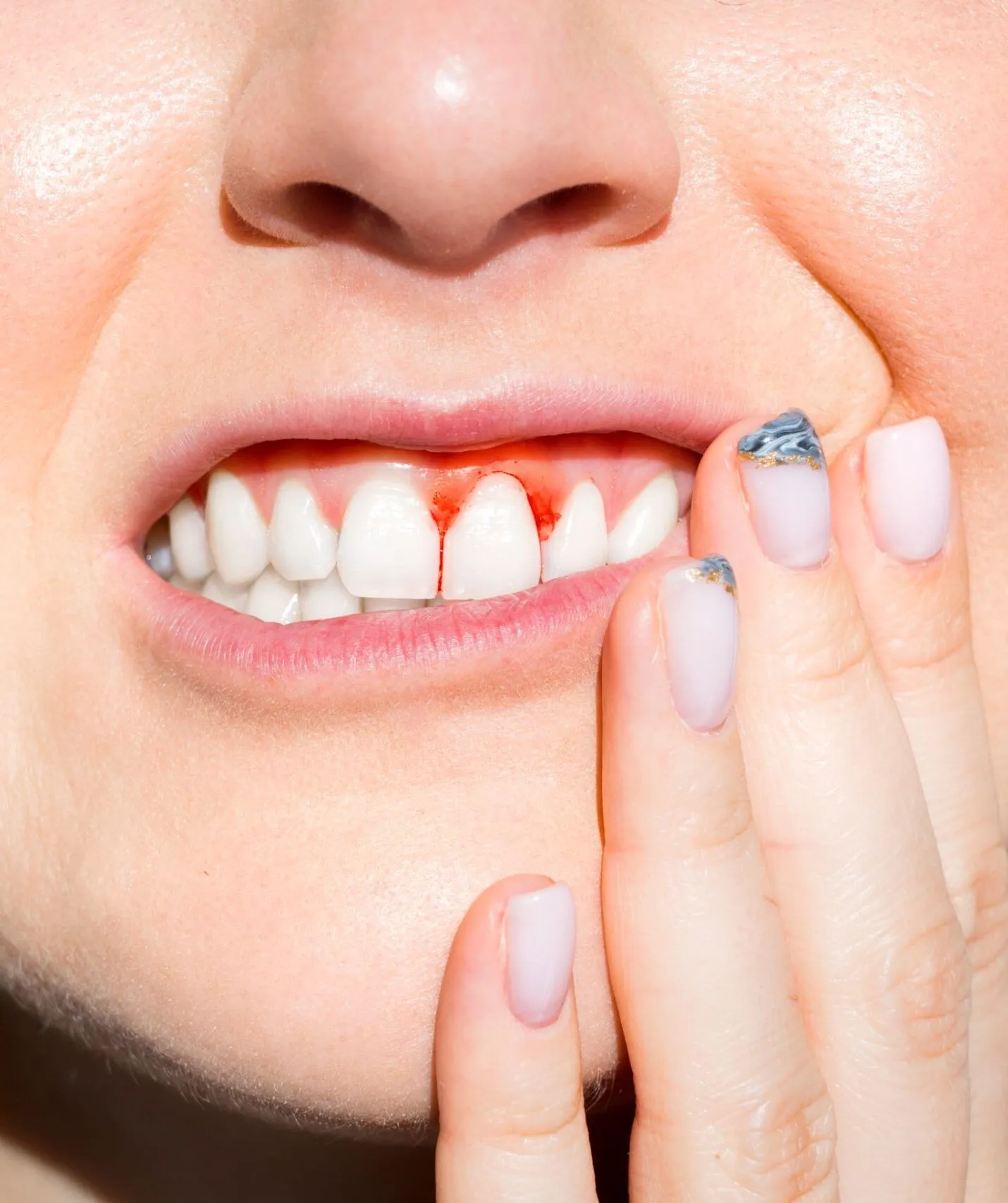
| Gingivitis | Periodontitis | |
|---|---|---|
| Stage | Early | Advanced |
| What is affected | Gum tissue only | Bone and ligaments that anchor your teeth |
| Outlook | Can typically be reversed completely | Cannot be cured, but can be managed effectively |
| Care needed | Professional cleaning and better home care | Professional treatment and consistent maintenance care |
Gum disease can progress quietly, which is part of what makes it so easy to overlook until symptoms become more noticeable. We encourage patients to watch for the following signs and reach out if any of them appear:
If you notice any of these changes, schedule an exam sooner rather than later, since early intervention is far simpler than treating advanced disease.

Several factors can increase your risk of developing gum disease, and understanding them can help you take proactive steps to protect your gums. These causes include plaque, genetics, lifestyle factors, and hormonal changes.
Plaque buildup is the most common cause. When plaque is not removed through regular brushing and flossing, it hardens into tartar, which irritates the gums and cannot be removed with a toothbrush alone.
Genetics also play a role, since some people are simply more prone to gum inflammation regardless of how consistent their oral hygiene routine is. Smoking is another significant factor, as it weakens the immune response and makes gum tissue harder to heal.
Hormonal changes matter too, especially for our patients who are pregnant or planning to be. Fluctuating hormone levels during pregnancy can make gum tissue more sensitive and more reactive to plaque, which is why many women notice gum changes for the first time during this period. Staying on top of cleanings during pregnancy is one of the simplest ways to protect both your comfort and your health.
Your treatment options depend on how far your disease has progressed. At Dogmanits Family Dental, Dr. Dogmanits tailors her approach to each patient’s specific needs.
Compared to traditional gum surgery, laser treatment offers several practical advantages for patients who want effective care without a lengthy recovery, including the following:
Because laser treatment is gentler on surrounding tissue, it tends to be a more comfortable option, particularly for patients who are anxious about traditional periodontal surgery.
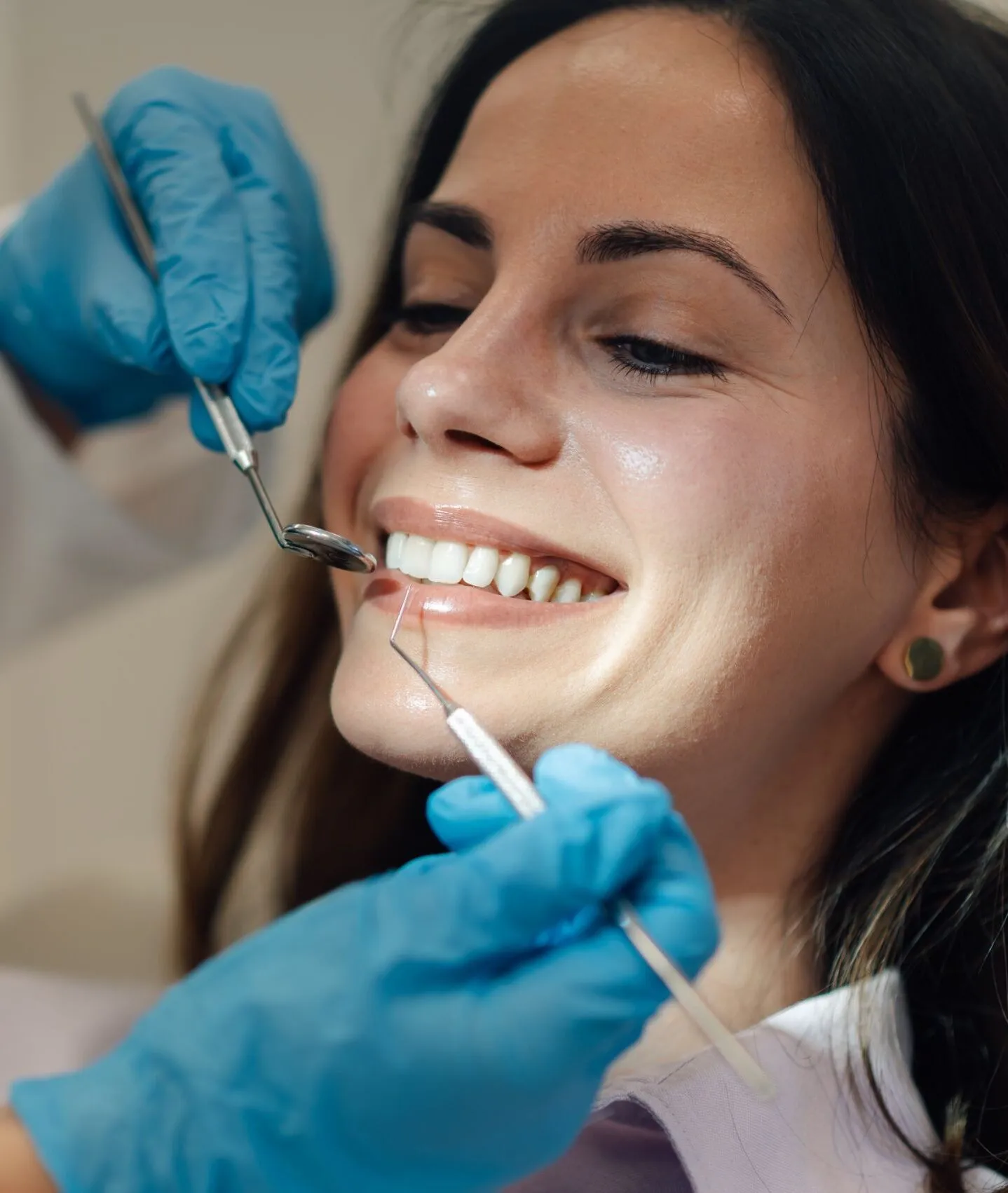
Gum disease does not stay contained to your mouth. Research increasingly shows that the chronic inflammation associated with periodontal disease is linked to several serious health conditions, which is part of why we treat gum health as a whole-body issue rather than an isolated concern.
Periodontal disease has been associated with an elevated risk of heart disease and complications related to diabetes, since the inflammation caused by gum infection can affect the rest of the body over time.
For expectant mothers, the connection carries added weight: the CDC notes that periodontitis has been associated with poor pregnancy outcomes, including preterm birth and low birth weight. Maintaining healthy gums throughout pregnancy is one of the more overlooked ways to support a healthy delivery.
Left untreated, periodontitis continues to break down the bone structure supporting your teeth. Over time, this bone loss can loosen teeth to the point where they shift, become painful, or fall out entirely. Ongoing periodontal maintenance after active treatment is essential for keeping the disease from progressing further, since periodontitis requires long-term management rather than a single round of treatment.
Dr. Dogmanits built her practice around the idea that dental care should fit into the rhythm of family life, not add another item to your to-do list. Whether you need a routine cleaning or a more involved conversation about periodontal treatment, our team takes the time to explain what is happening with your gums and what your options look like, without the pressure or the runaround.
Early treatment protects your smile and your health. Call us today or contact our office to schedule your gum disease evaluation in Webster, NY.
Schedule your appointment today and experience personalized dental care that puts your comfort first. Healthy teeth. Confident you.

Here are straightforward answers to the questions patients ask us most about gum disease.
A regular cleaning removes plaque and tartar from above and just below the gumline. Scaling and root planing goes deeper, removing bacteria and tartar from below the gumline and smoothing the tooth root so gum tissue can reattach more easily.
Gingivitis, the early stage, can typically be reversed with a professional cleaning and better home care. Periodontitis cannot be cured, but it can be managed effectively with professional treatment and consistent maintenance care.
Scaling and root planing is typically performed with local anesthetic so you stay comfortable during the procedure. Some sensitivity in the days afterward is normal and usually resolves quickly. Laser gum treatment causes less discomfort for most patients.
The CDC states that dental care is safe and important during pregnancy. Hormonal changes can make gums more sensitive to plaque, so staying on top of cleanings is one of the simplest ways to protect your comfort and health. Let our team know you are pregnant when you schedule.